Ceramic tiles: how to create different architectural styles
Ceramic roof tiles are one of the most traditional elements in Brazilian construction, but it would be a mistake to believe that their use is limited to a single type of aesthetic.
On the contrary: its versatility allows it to be used in different architectural styles, catering to everything from more classic projects to contemporary and sophisticated designs.
The choice of model, color, roof pitch, and combination with other materials can completely transform the final result of the project.
In this article, we will explore how to create different architectural styles using ceramic tiles, demonstrating in practice how this material can adapt to various aesthetic proposals.
Enjoy your reading!

How to create different styles with ceramic tiles.
To achieve different architectural styles with ceramic tiles, it is essential to understand that the roof is not just a functional structure, but also a prominent element in the design.
Several factors directly influence the aesthetic result:
1- Tile type;
2- Tile color;
3- Roof pitch;
4- Integration with the facade;
5- Finishes and details.
1- Tile type
Models such as Mediterranean , Roman , or colonial styles each have distinct visual characteristics that directly impact the style of the building.
2- Tile color
Natural, reddish, and earthy tones evoke tradition and rustic charm, while more uniform versions and differentiated finishes can contribute to more modern designs.
3- Roof pitch
Steeper roofs create a striking and classic look, while shallower slopes tend to bring a more contemporary aspect.
4- Integration with the facade
The combination of roof, cladding, window and door frames, and landscaping is crucial in defining the architectural style.
5- Finishes and details
Ridge beams, exposed eaves, and finishing details enhance the roof and reinforce the visual identity of the project.
5 applications of ceramic roof tiles in homes
The versatility of ceramic roof tiles allows for their application in different architectural styles , catering to projects ranging from rustic to sophisticated and contemporary designs.
Below, we highlight some of the main styles in which this material adapts excellently.
1- Farm House;
2- Traditional Brazilian house;
3- Classic house;
4- Hispanic/Vintage style house;
5- Contemporary house.
1- Farm House
The Farmhouse style has been gaining more and more space in Brazil, especially in projects that seek a welcoming look, inspired by the countryside and rural life.
In this type of architecture, ceramic tiles are fundamental to creating a rustic yet elegant atmosphere. The use of pitched roofs, with exposed tiles and natural tones, reinforces this concept.
Ceramic roof tiles help to convey warmth and authenticity, essential elements in this style.

2- Traditional Brazilian house
Traditional Brazilian houses are perhaps the most classic example of the use of ceramic roof tiles. This style is characterized by simple, functional solutions adapted to the country's climate.
Here, the roof typically has a good slope, with wide eaves that help protect against sun and rain.
In addition to aesthetics, ceramic roof tiles contribute to thermal comfort, an essential factor in Brazilian construction.

3- Classic house
Classic designs are known for their elegance and emphasis on proportions and symmetry. In this context, ceramic tiles are used in a more refined way, creating well-structured and harmonious roofs.
Choosing more uniform designs and paying attention to the finishing touches makes all the difference.
Ceramic roof tiles help to enhance the sophistication of the design, while maintaining a timeless aesthetic.

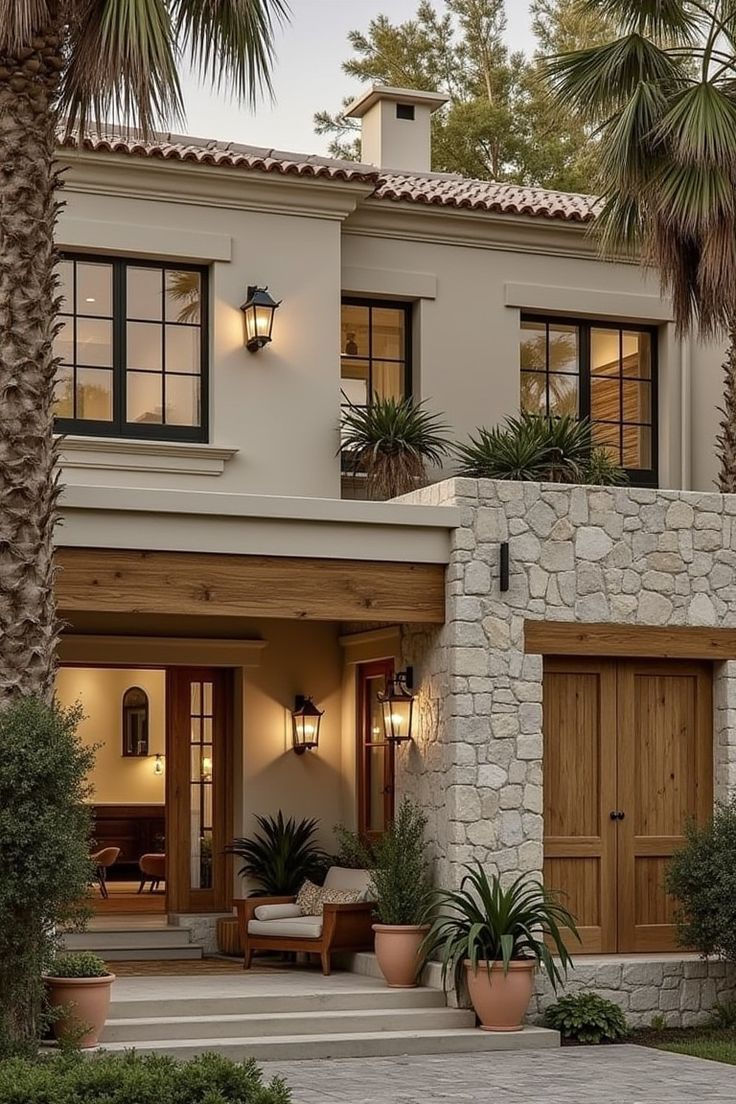
4- Hispanic/Vintage style house
Inspired by Mediterranean architecture, the Hispanic or vintage style emphasizes organic shapes, warm colors, and a striking visual appeal.
In this case, ceramic roof tiles take on even greater prominence, being responsible for a large part of the house's visual identity.
This style expressively explores the aesthetic potential of ceramic tiles, creating designs full of personality.
5- Contemporary house
Even in contemporary designs, which often prioritize straight lines and minimalism, ceramic tiles can be used with excellent results.
The key lies in how the roof is integrated into the design, often with a shallower slope or partially recessed.
In this context, ceramic roof tiles offer an interesting contrast between the traditional and the modern, adding aesthetic value to the project.

Conclusion
Ceramic roof tiles remain one of the most versatile and efficient solutions for residential roofing.
Their adaptability to different architectural styles makes them a strategic choice from both an aesthetic and functional point of view.
Whether in rustic, classic, or contemporary projects, this material allows for the exploration of different compositions, guaranteeing personality, increased property value, and thermal comfort.
TopTelha meets these demands by offering ceramic tile solutions that combine quality, durability, and aesthetics, excellently fulfilling different architectural proposals.
This way, you ensure not only efficient coverage, but also a final result that adds value to the project and directly contributes to customer satisfaction.
Click here to see our selection of ceramic roof tiles .
Comments